The Future Of Ai & Payments: How Ai Is Reshaping The Payments Industry (and Why It’s a Double-Edged Sword)

Let’s face it—payments are boring. Swiping a card, tapping your phone, or typing in your CVV isn’t exactly the stuff of blockbuster movies. But behind the scenes, there’s a revolution happening, and it’s powered by Artificial Intelligence (AI). AI isn’t just changing the game; it’s rewriting the rules. And if you’re not paying attention, you’re already behind.
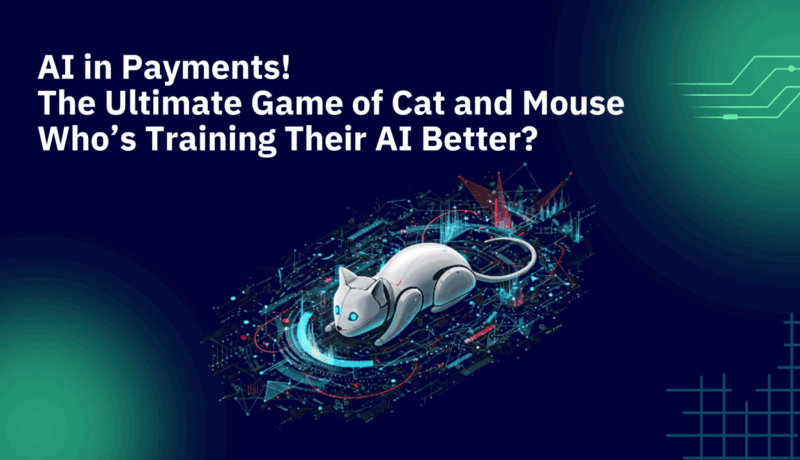
Here’s the thing: AI and payments are like peanut butter and jelly—they just work together. But like any great duo, there’s a twist. AI isn’t just the hero; it’s also the villain. It’s the ultimate double-edged sword, and how we wield it will determine the future of the payments industry.
AI: The Hero of Payments
AI is already transforming payments in ways that would make Tony Stark jealous. Here’s how:
Fraud Prevention on Steroids:
AI can analyze millions of transactions in real-time, spotting fraud patterns faster than a caffeinated detective.
According to McKinsey, AI-driven fraud detection systems can reduce false positives by up to 50%, saving businesses billions.
Think of it as a digital bouncer, keeping the bad guys out while letting the good guys in.
Hyper-Personalized Experiences:
AI doesn’t just process payments; it understands them. It knows you’re more likely to buy a latte at 8 a.m. and a bottle of wine at 8 p.m.
Statista reports that 62% of consumers are interested in AI-driven personalized payment experiences.
It’s like having a personal shopper, but for your wallet.
Frictionless Transactions:
AI is making payments faster, smoother, and more intuitive. No more awkward pauses at the checkout counter.
By 2025, Juniper Research predicts that AI will save the payments industry $11 billion annually by streamlining operations.
AI: The Villain in Disguise
But here’s the catch: AI isn’t just a tool for good. It’s also a weapon for bad actors.
AI-Powered Fraud:
Cybercriminals are using AI to commit fraud faster and smarter than ever before.
Forbes estimates that AI-driven fraud will cost businesses $38 billion by 2027.
It’s like a high-tech arms race, and the stakes are sky-high.
The Deepfake Dilemma:
AI can create eerily realistic fake identities, making it harder to distinguish between real and fake transactions. Imagine a fraudster using AI to mimic your voice and trick your bank into approving a payment. Scary, right?
The Bias Problem:
AI is only as good as the data it’s trained on. If that data is biased, the AI will be too.
This could lead to unfair declines or approvals, alienating customers and damaging trust.
The Ultimate Question: Who’s AI is Better?
At the end of the day, it’s not about who has the most AI—it’s about who has the best AI.
Training Matters: AI is like a child; it learns from its environment. The better the training, the better the results.
Updates are Key: AI models need constant updates to stay ahead of evolving threats.
Collaboration is Crucial: Banks, fintech’s, and regulators need to work together to create a secure, AI-driven payments ecosystem.
The Vision: A Smarter, Safer Payments Future
Here’s where I see the future heading:
AI-Driven Autonomous Payments:
Imagine a world where payments happen automatically, without you lifting a finger. Your car pays for gas, your fridge orders groceries, and your watch tips your barista.
According to Medium, autonomous payment systems could handle 80% of transactions by 2030.
Proactive Fraud Prevention:
AI won’t just detect fraud; it’ll predict it. Think Minority Report, but for payments.
Infosys predicts that AI will reduce payment fraud losses by 30% in the next five years.
Ethical AI:
The future of AI in payments isn’t just about technology; it’s about trust. We need ethical AI frameworks to ensure fairness and transparency.
The Call to Action: Are You Ready?
The payments industry is at a crossroads. AI is the key to unlocking a smarter, safer, and more personalized future. But it’s also a tool that can be weaponized. The question is: Are you ready to embrace the challenge?
So, here’s my challenge to you: Don’t just watch the AI revolution—lead it. Because in the end, it’s not about who has the most data or the fastest algorithms. It’s about who has the vision to see what’s possible and the courage to make it happen.
Final Thought:
AI in payments isn’t just a trend; it’s a tidal wave. And as the saying goes,
“You can either ride the wave or get swept away.” Which will you choose?
Please share this article if you like it!